
Archiving the Unspoken: A Deeper Look into Caribbean Queer Cinema
The history of queer identity is, by nature, an exercise in navigating silence. It is a narrative frequently fragmented by systemic censorship, social stigma, and marginalization. On a personal level, it is often tucked away in the privacy of hidden affections, fractured family ties, and the heavy burden of unshared experiences.
But what happens when filmmakers decide to look directly into that silence and reclaim the past?

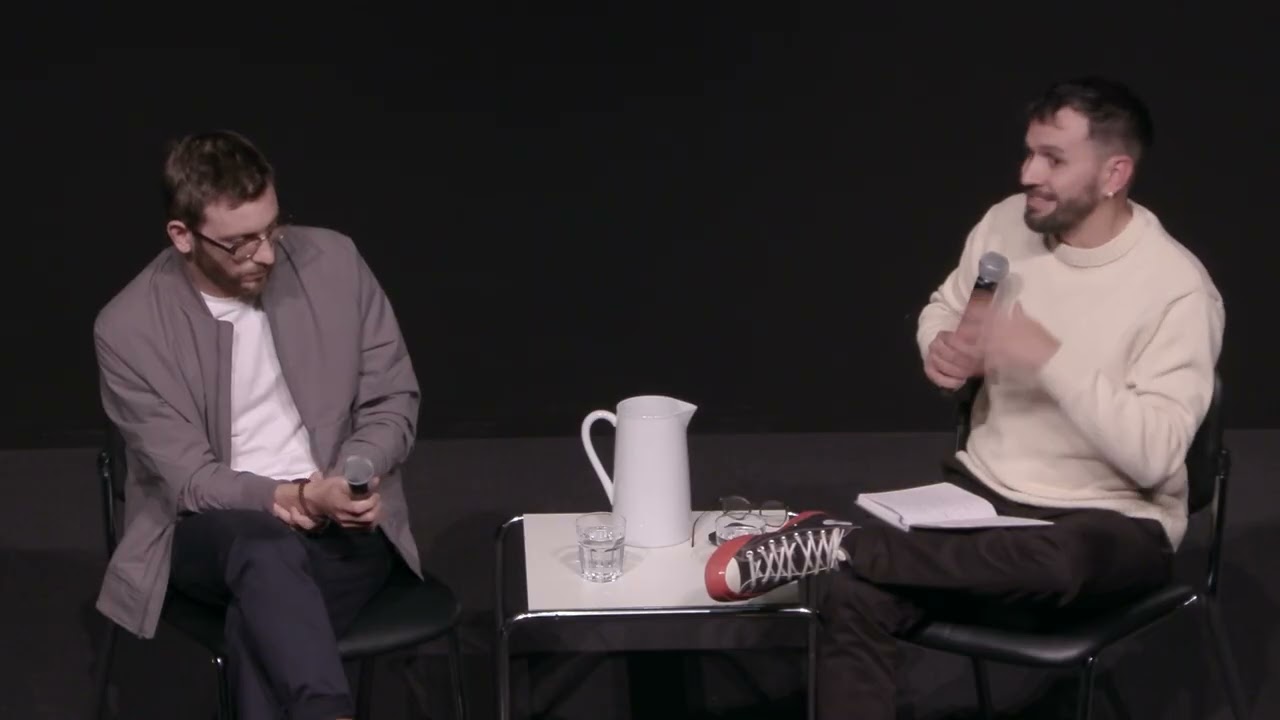
That was the core question behind the event, "Archivo vivo: Dos miradas al cine cuir caribeño" (Living Archive: Two Perspectives on Caribbean Queer Cinema), hosted by the Centro Cultural de España en Santo Domingo (CCESD). Part of the Human and Cultural Rights program, this poignant session brought together two prominent Caribbean directors—Victoria Linares Villegas from the Dominican Republic and Lázaro González from Cuba—to screen their work and discuss how archival materials function as powerful tools for self-representation.
Two Films, Two Journeys Through Memory
The event featured a screening of two distinct yet deeply interconnected films that use personal and historical archives to dialogue with the past.
1. Sexilio (60’) – Directed by Lázaro González
In this documentary, González explores the haunting legacy of the Mariel boatlift, one of the most massive migratory exoduses in Cuban history. By centering on the survivors, the film documents their quest for justice and healing from the trauma of exile.
As González captures these stories—narratives purposefully erased or banned from Cuba's official state memory—the filmmaking process itself triggers an internal shift. The director begins to ask a deeply personal question: In a different era and context, am I, too, a "sexilio" (sexual exile)?
2. Mi mamá me tiene rabia (7’) – Directed by Victoria Linares Villegas
In stark contrast to the sweeping historical backdrop of Sexilio, Linares Villegas turns her camera inward toward the domestic sphere. As the only daughter in a family of three, Victoria uses autoethnography to decipher her mother’s underlying resentment toward her.
Using old family photographs—the rigid, frozen timestamps of a numb past—the director scratches, cuts, evokes, and forgets on screen. It is a visceral, raw manipulation of personal archive to make sense of queer identity within the family unit.
"Both films show that working with archives is not just about preserving history—it is an active space for reclaiming authorship over our own lived experiences."
Meet the Filmmakers
Lázaro González (Cuba): An independent director, producer, and researcher, González is known for short films like Padre Nuestro and Parole, as well as his award-winning feature documentary Villa Rosa. He is also the co-founder of Encuadre (The Cuban Network of Independent Audiovisual Production).
Victoria Linares Villegas (Dominican Republic): A powerhouse in contemporary Dominican cinema, Linares Villegas explores memory, oppression, and queer identity. Her feature film Lo que se hereda made waves internationally, and her film Ramona celebrated its world premiere at the prestigious Berlinale (Berlin International Film Festival).
Why "Living Archives" Matter
What makes this curation so vital is the acknowledgment that queer history in the Caribbean cannot rely solely on institutional archives, because institutional archives rarely tell the truth about queer lives.
By utilizing home movies, old photographs, and oral testimonies banned from official history, these directors are transforming the archive from a dead repository of the past into a living, breathing tool for survival. They prove that to look back is not just to remember—it is an act of resistance.




Comments